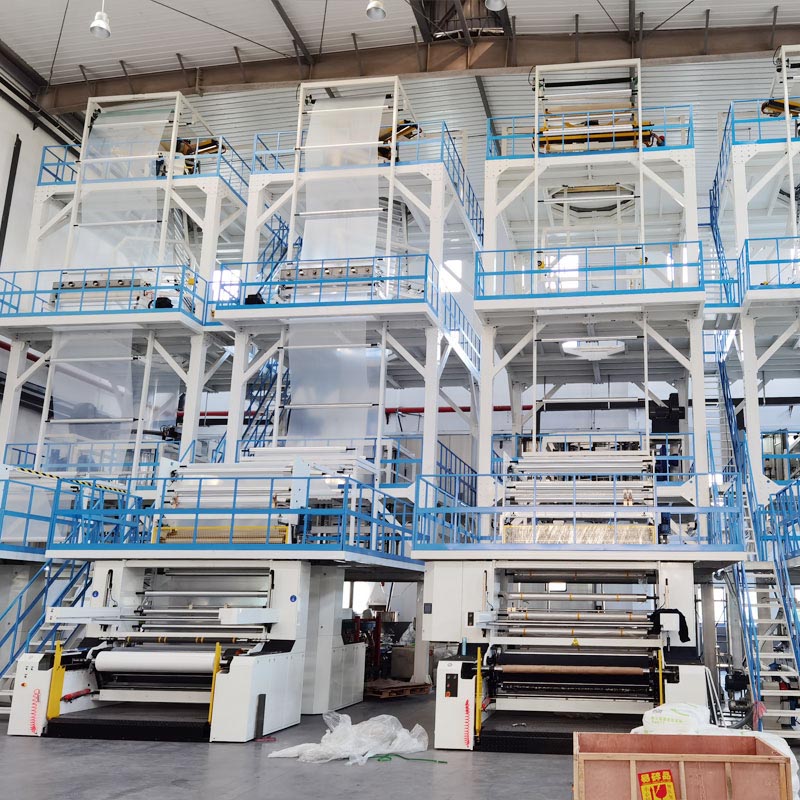
The nine layer blown film machine has revolutionized the packaging industry by providing superior film quality, increased efficiency, and versatile material options. This article explores the technology behind these machines, their advantages, common applications, troubleshooting tips, and how Wuxi Mul-Plus Mechanical S&T Co., Ltd. leads in delivering reliable solutions for businesses looking to elevate their film production capabilities.
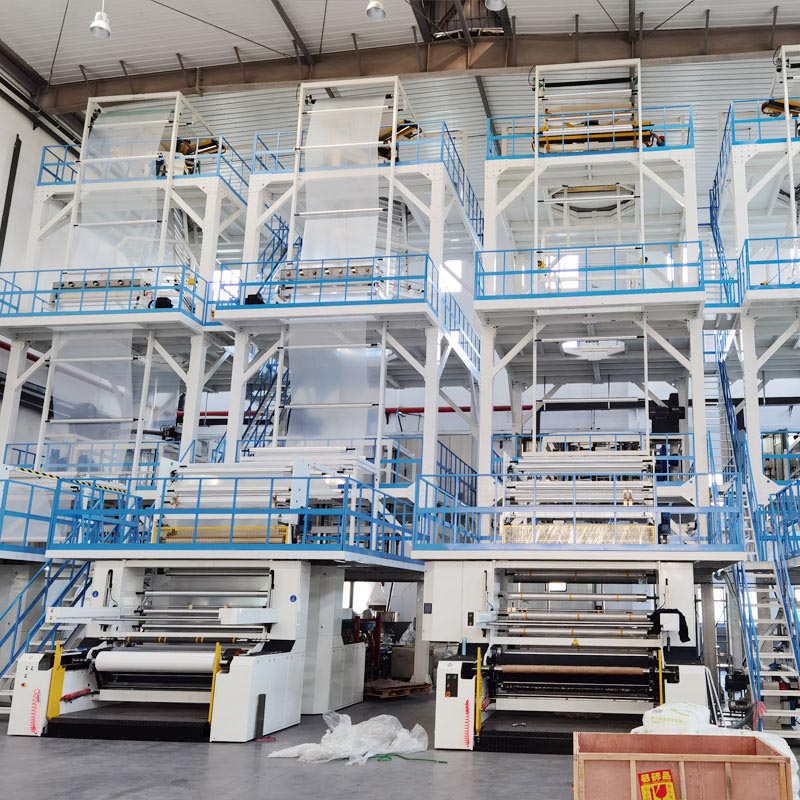
Introduction to Nine Layer Blown Film Machines
In the competitive world of flexible packaging, the quality and performance of films are paramount. A nine layer blown film machine offers multilayer co-extrusion capabilities, ensuring that each layer serves a specific function, such as barrier protection, strength, or printability. By using advanced extrusion technology, companies like Wuxi Mul-Plus Mechanical S&T Co., Ltd. provide equipment that balances high output with exceptional film consistency.
These machines allow manufacturers to produce films suitable for food packaging, industrial wraps, medical applications, and more. Their multi-layer construction ensures superior mechanical properties and the ability to combine different polymers for specialized performance.
The Technology Behind Nine Layer Blown Film Machines
The nine layer blown film machine uses a co-extrusion process where nine distinct layers of polymer are combined in a single extrusion line. Each layer has a specific role, such as:
-
Inner layer: Food-safe or printable surface.
-
Core layers: Provide mechanical strength and barrier properties.
-
Outer layer: Protects against environmental stress and provides aesthetics.
These layers are merged through a complex feedblock system and blown into a tube, cooled, and wound into rolls. The machine’s components, including extruders, die heads, cooling systems, and winding units, must be precisely synchronized.
Wuxi Mul-Plus Mechanical S&T Co., Ltd. has engineered robust control systems that maintain uniform thickness across all nine layers, reducing waste and ensuring high-quality production.
Key Components:
|
Component
|
Function
|
Benefit
|
|
Extruder
|
Melts and conveys polymer
|
Ensures consistent melt quality
|
|
Feedblock
|
Combines multiple polymer streams
|
Maintains uniform layer thickness
|
|
Die Head
|
Shapes the film into a tubular form
|
Controls film dimensions and layer adhesion
|
|
Cooling Ring
|
Solidifies the film
|
Reduces bubble defects and improves clarity
|
|
Winder
|
Rolls finished film
|
Prepares film for downstream processing
|
Key Advantages
Choosing a nine layer blown film machine brings numerous advantages for manufacturers seeking efficiency and quality:
-
Improved Barrier Properties: Multiple layers enhance moisture, oxygen, and aroma barriers.
-
Material Flexibility: Combines different polymers like PE, EVOH, PA, and PP.
-
Cost Efficiency: Reduces overall material usage while enhancing film performance.
-
Enhanced Strength: Multi-layer construction improves tear resistance and puncture strength.
-
High Customization: Each layer can be tailored for a specific property, allowing for diverse applications.
-
Consistency: Advanced control systems ensure uniform thickness and appearance across long production runs.
Applications Across Industries
Nine layer blown film machines are used across a wide range of industries:
-
Food Packaging: Snack bags, vacuum pouches, and bakery films.
-
Medical Packaging: Sterile wraps, barrier films for medical devices.
-
Industrial Packaging: Heavy-duty bags, stretch films, and shrink films.
-
Agricultural Films: Mulch films and greenhouse covers.
-
Retail: Shopping bags, protective films, and laminates.
Manufacturers like Wuxi Mul-Plus Mechanical S&T Co., Ltd. have tailored machines to meet diverse industry standards, ensuring compliance and high performance for each application.
Operational Guidelines and Tips
Optimizing a nine layer blown film machine requires attention to detail:
-
Temperature Control: Each extruder must maintain precise temperature for consistent melt quality.
-
Layer Flow Rate: Adjust feedblock channels to balance layer thickness.
-
Bubble Stability: Proper cooling and air ring adjustments prevent bubble collapse or uneven film thickness.
-
Winder Tension: Uniform tension ensures rolls are smooth and free from wrinkles.
-
Monitoring and Automation: Utilize sensors and PLC systems to maintain consistency.
Operators trained by Wuxi Mul-Plus Mechanical S&T Co., Ltd. have reported improved efficiency and reduced downtime by following these guidelines.
Maintenance and Troubleshooting
Regular maintenance ensures longevity and performance of nine layer blown film machines:
-
Lubrication: Regularly lubricate moving parts to prevent wear.
-
Inspection: Check screws, barrels, and die heads for wear or residue buildup.
-
Calibration: Periodically recalibrate thickness sensors and flow channels.
-
Troubleshooting Common Issues:
|
Issue
|
Possible Cause
|
Solution
|
|
Uneven Film Thickness
|
Imbalanced feedblock channels
|
Adjust flow rates and recalibrate sensors
|
|
Bubble Collapse
|
Incorrect cooling or air ring pressure
|
Adjust air ring and temperature settings
|
|
Punctures or Tears
|
Inconsistent melt or contamination
|
Ensure polymer purity and monitor extruder temperature
|
|
Wrinkles on Roll
|
Incorrect winding tension
|
Adjust winder tension and align rollers
|
Comparing Nine Layer vs. Other Blown Film Machines
When evaluating blown film machines, it's important to understand how nine layer systems compare to simpler multi-layer machines:
|
Feature
|
Five Layer Machine
|
Nine Layer Machine
|
|
Layer Control
|
Moderate
|
Highly precise
|
|
Barrier Properties
|
Standard
|
Superior, customizable
|
|
Material Flexibility
|
Limited
|
High, supports multiple polymers
|
|
Production Cost
|
Lower initial cost
|
Higher initial investment but lower material wastage
|
|
Applications
|
General packaging
|
High-performance food, medical, industrial films
|
For businesses prioritizing film performance, durability, and specialized applications, a nine layer machine from Wuxi Mul-Plus Mechanical S&T Co., Ltd. offers unmatched benefits.
FAQ
-
Q1: What polymers can I use in a nine layer blown film machine?
A1: Commonly used polymers include PE, PP, EVOH, PA, and PET. Each layer can be customized depending on the desired properties.
-
Q2: How can I reduce film thickness variations?
A2: Regularly calibrate feedblock channels, monitor melt temperature, and ensure stable bubble formation.
-
Q3: What industries benefit most from nine layer blown films?
A3: Food packaging, medical packaging, industrial applications, and agriculture all benefit from multilayer film performance.
-
Q4: Is training required for operators?
A4: Yes. Proper operator training, often provided by companies like Wuxi Mul-Plus Mechanical S&T Co., Ltd., ensures efficiency, safety, and product consistency.
-
Q5: How often should maintenance be performed?
A5: Daily inspections, weekly lubrication, and periodic full calibration are recommended to maintain optimal performance.
Conclusion & Contact Information
The nine layer blown film machine represents the pinnacle of flexible film production, offering unmatched quality, versatility, and efficiency. By choosing equipment from Wuxi Mul-Plus Mechanical S&T Co., Ltd., manufacturers gain access to cutting-edge technology, expert guidance, and reliable performance. Investing in such a machine not only enhances product quality but also reduces material costs and production downtime.
Whether you are upgrading your current line or starting a new production facility, Wuxi Mul-Plus Mechanical S&T Co., Ltd. is ready to provide tailored solutions to meet your needs. For inquiries, quotes, or technical support, contact us today and take your film production to the next level.